If you are considering Montlake, you are not just choosing a house. You are choosing a very specific balance of location, character, and day-to-day rhythm in Seattle. For many buyers, that balance is exactly the point, and understanding it early can help you search smarter. Let’s dive in.
Why Montlake Feels Distinct
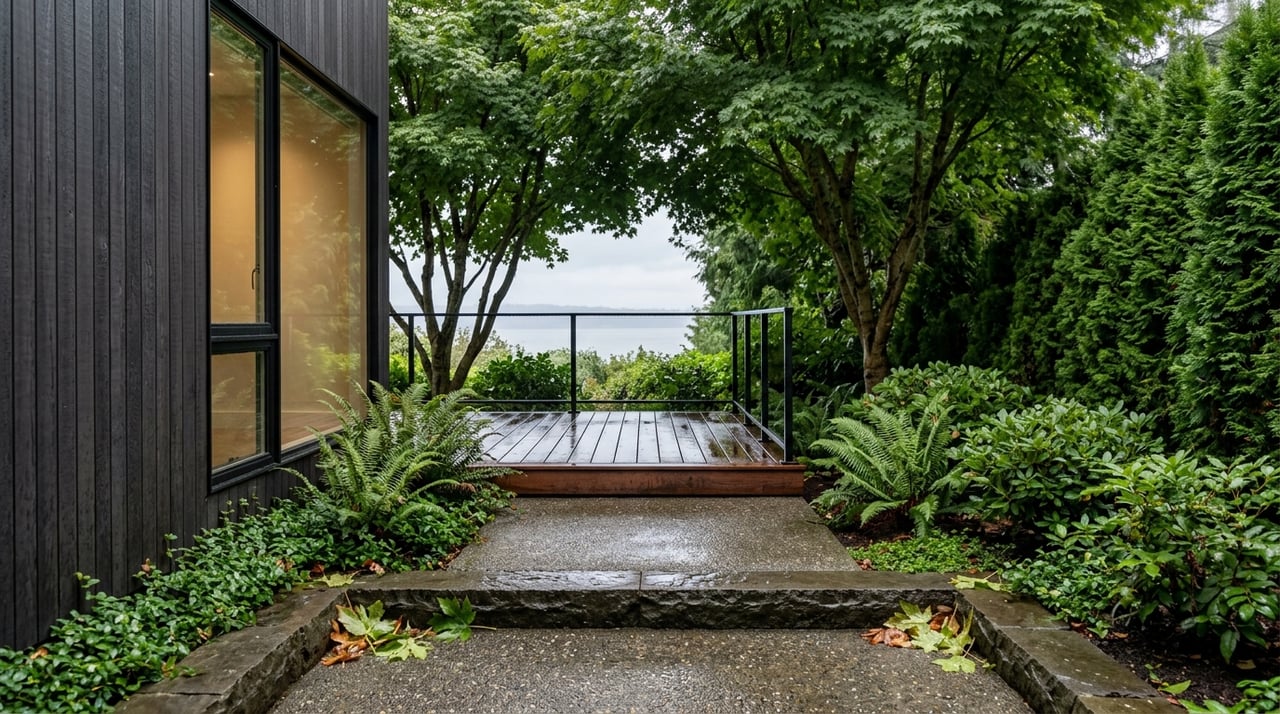
Montlake sits on a low-lying isthmus between Portage Bay and the Washington Park Arboretum, near the base of Capitol Hill. That setting gives it a more enclosed, residential feel than many buyers expect from such a central Seattle location.
At the same time, Montlake is tied closely to major transportation routes and nearby destinations like the University of Washington area. In practical terms, that means your home search here is rarely just about square footage or finishes. It is also about how geography shapes your lifestyle.
Location Drives the Home Search
In Montlake, location influences more than convenience. It affects the types of homes you will see, how the neighborhood feels block to block, and what your commute may look like on a normal weekday.
This is one of those neighborhoods where the map matters. A home near park edges, water-adjacent streets, or key access routes may live very differently from one just a few blocks away.
Central, Yet Residential
Montlake’s setting gives you a rare mix of central-city access and a quieter residential pattern. Historic Seattle materials describe the neighborhood as shaped by the canal corridor and later by SR 520, which helps explain why it feels somewhat buffered while still sitting at a regional crossroads.
For buyers, that can be appealing if you want strong access to the rest of Seattle without feeling like you are in a dense urban core. It also means you should pay close attention to how each home sits within the neighborhood, not just whether it has a Montlake address.
Geography Creates Tradeoffs
Montlake’s location tends to create a clear buyer tradeoff. You are balancing heritage housing, access to parks and waterfront scenery, and some commute friction rather than shopping for a purely urban or purely suburban experience.
That tradeoff is important because it helps set expectations. If you know from the start that Montlake offers character and access, but not always the easiest drive at peak times, you can evaluate homes with more confidence.
What Homes in Montlake Tend to Offer
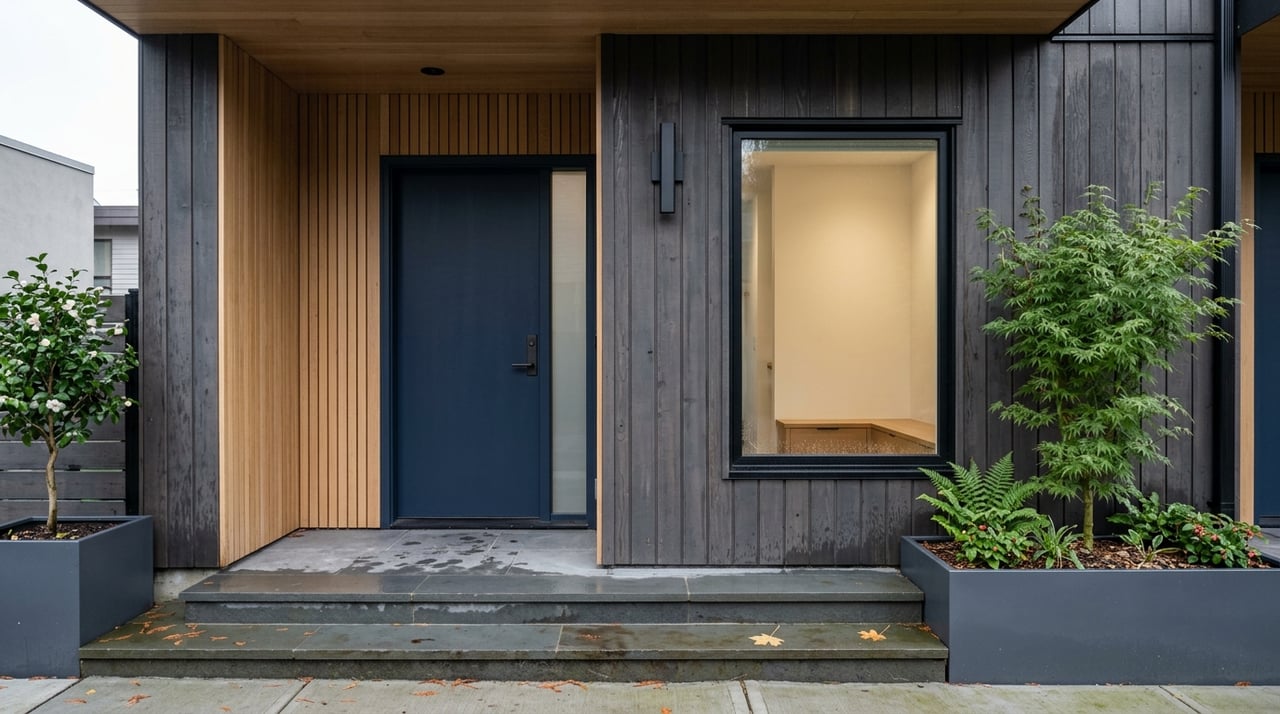
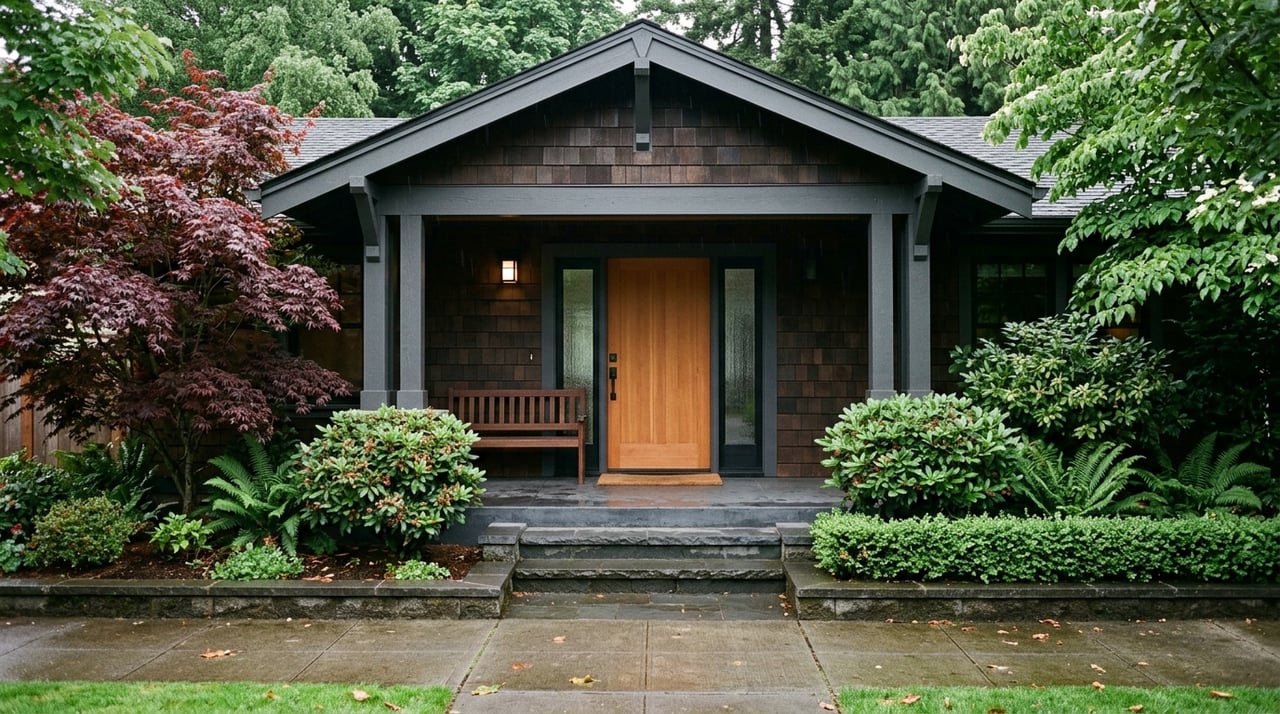
Montlake’s housing stock is one of its strongest draws. Historic survey materials describe it as a cohesive early-20th-century residential area with Craftsman, Tudor, Colonial Revival, French Eclectic, Georgian Revival, and other revival-style homes.
For you as a buyer, that usually means older homes with architectural character and a strong street presence. It also generally means less condo and apartment inventory than you would find in denser Seattle neighborhoods.
Older Homes With Character
Many of Montlake’s homes were built out by the 1940s, which gives the neighborhood a long-established feel. If you are drawn to architecture, mature streetscapes, and homes with details that are hard to replicate in newer construction, Montlake may stand out quickly.
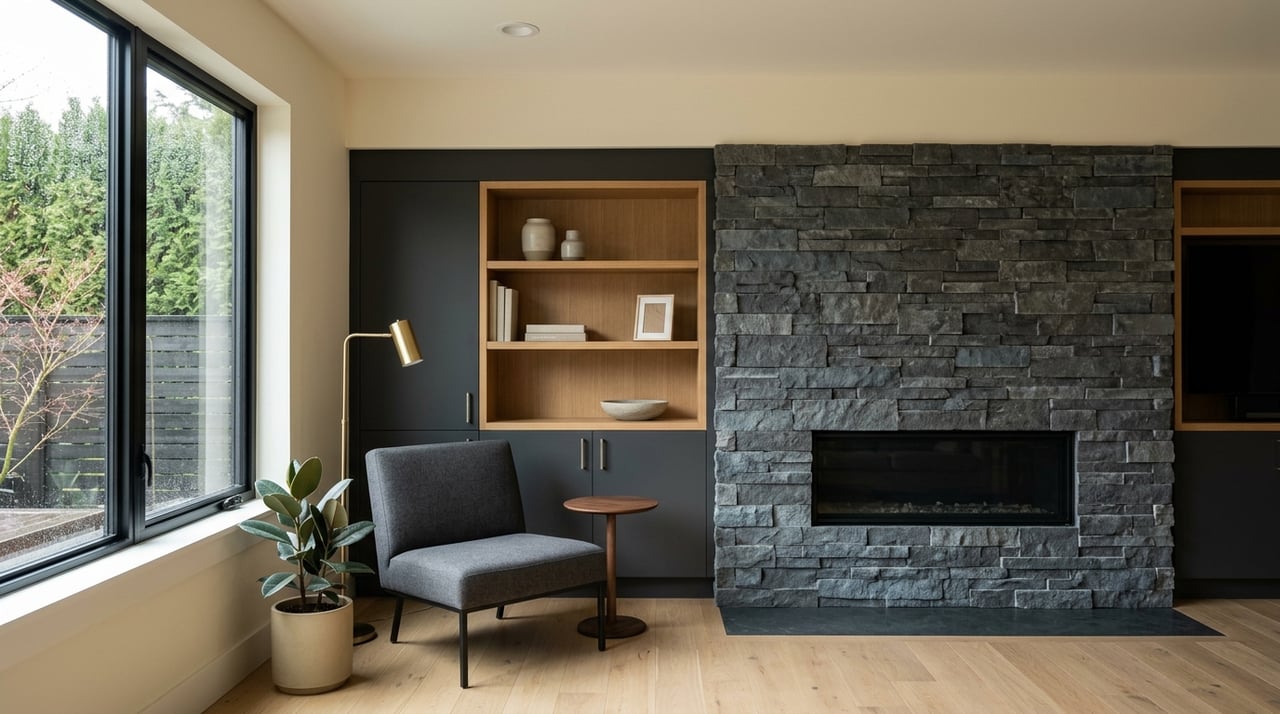
That said, older housing stock can also mean your search needs a more careful eye. Layout, lot shape, updates, and how the home fits modern living can vary meaningfully from property to property.
Lot Sizes and Shapes Vary
Montlake’s lot patterns are not uniform. Historic materials note that early plats used small 60-by-100-foot lots, while later street planning adapted to topography with curving blocks and public green spaces.
In real terms, that means you should not assume every lot will feel the same, even when the numbers look similar on paper. Some parcels may feel compact, while others feel more open because of their position near parks, edges, or the neighborhood’s curving street layout.
Parks and Water Shape Daily Life
Montlake’s appeal is not only about the houses. It is also about how close you are to open space, trails, and water-adjacent scenery.
Seattle Parks describes the Montlake Community Center as centrally located on Portage Bay, with the adjacent Montlake Playfield offering play areas, fields, tennis courts, and adult fitness equipment. The Washington Park Arboretum adds 230 acres of trails and landscaped open space nearby.
Outdoor Access Is a Major Feature
If daily walks, trail access, or time outdoors matter to you, Montlake offers a strong location advantage. The neighborhood sits close to amenities that support an active routine without requiring a long drive.
WSDOT’s completed Montlake Project also added a landscaped lid and bicycle-pedestrian connections linking Arboretum trails to Montlake and the University District. That improves how different parts of the area connect for people moving around on foot or by bike.
Lifestyle May Matter as Much as the House
In some neighborhoods, buyers focus mostly on the home itself. In Montlake, the surrounding environment often carries equal weight.
That is especially true if you value a residential setting with quick access to trails, fields, and waterfront-adjacent views. When you tour here, it helps to evaluate both the property and the day-to-day lifestyle just outside the front door.
Commute Planning Matters More Here
Montlake’s commute profile deserves real attention during your search. It benefits from strong regional connections, but those same connections can bring congestion and timing issues that affect your daily routine.
UW notes that the university is served by two Link stations and more than 60 bus routes, with University of Washington Station near Husky Stadium and UW Medical Center-Montlake. WSDOT also says SR 520 now includes direct-access transit and carpool ramps in Montlake and improved east-west mobility.
Test Your Actual Commute
A good Montlake home search should include real-world testing. If possible, try driving or taking transit during the times you would actually travel.
That matters because peak-period pressure still exists along the SR 520 corridor. The neighborhood’s location is a strength, but convenience can feel very different at 10 a.m. than it does during a weekday rush.
Watch Bridge and Event Timing
The City of Seattle notes that the Montlake Bridge opens on request between 7 a.m. and 11 p.m., with an average opening of about four minutes. That may not sound long, but small delays can add up if you cross regularly.
It is also smart to consider event traffic around the UW and Husky Stadium area. If your route depends on those nearby corridors, timing can influence how effortless or frustrating the location feels for you.
How Montlake Compares Nearby
Montlake often makes more sense when you compare it with nearby neighborhoods. The differences are not just stylistic. They affect housing type, pace, and how you move through everyday life.
If you are torn between several central Seattle areas, these comparisons can help clarify what you are really looking for.
Montlake vs. Capitol Hill
Capitol Hill is materially denser and more mixed-use than Montlake. City materials describe Pike/Pine as the densest arts neighborhood in Washington, and Seattle’s neighborhood commercial survey notes Capitol Hill’s many brick apartment buildings, commercial-apartment buildings, and dense urban fabric.
If you want apartments, nightlife, and a more urban street grid, Capitol Hill will likely feel very different from Montlake. If you prefer mostly single-family character with a more contained residential feel, Montlake may align better.
Montlake vs. Washington Park
Washington Park presents a different kind of appeal. Based on Seattle Parks’ description of the Washington Park Arboretum and Washington Park Playfield, the area is more park-dominant than street-dominant.
That can be attractive if your top priority is landscape and green space. Compared with Montlake, the experience may feel even more shaped by the surrounding park environment than by a traditional neighborhood street pattern.
Montlake vs. Laurelhurst
Laurelhurst offers another residential alternative near the university area. City materials describe its development as delayed by remote location and inconvenient access, and the community center page places it atop a steep hill near UW, Children’s Hospital, University Village, and Magnuson Park.
Compared with Montlake, Laurelhurst can feel more tucked away and more dependent on driving for daily errands. Montlake, by contrast, tends to feel more connected, though that comes with more transportation activity nearby.
Smart Ways to Search in Montlake
Because Montlake is so shaped by geography, your search strategy should be specific. Broad assumptions usually do not work as well here as they might in more uniform neighborhoods.
A focused approach can help you choose a home that fits both your design preferences and your daily routine.
Prioritize These Questions
As you tour homes in Montlake, keep these questions in mind:
- How does this block feel compared with other parts of Montlake?
- Is the home closer to trails, parks, or water-adjacent scenery that matters to you?
- What is the commute like during your real travel hours?
- How do bridge openings, SR 520 traffic, or UW event days affect this location?
- Does the lot feel as usable as it appears on paper?
- Does the home’s age and architecture match the amount of updating you want to take on?
Think Beyond the Listing Photos
In a neighborhood like Montlake, context matters as much as presentation. A beautiful home can feel very different once you account for access, lot shape, or how the surrounding streets connect to your routine.
That is why neighborhood guidance and property-level strategy matter here. The goal is not just finding a house you like. It is finding the version of Montlake that fits how you actually want to live.
Montlake can be an exceptional fit if you want architectural character, close access to parks and trails, and a central Seattle location that still feels largely residential. The key is understanding that its location creates both its appeal and its tradeoffs. If you want help weighing those details and identifying the right block, home style, and commute fit, connect with Kyle Mumma.
FAQs
What makes Montlake feel different from other Seattle neighborhoods?
- Montlake’s location between Portage Bay and the Washington Park Arboretum gives it a more enclosed, residential feel while still placing it near major Seattle connections.
What types of homes are common in Montlake?
- Montlake is known for early-20th-century single-family homes, including Craftsman, Tudor, Colonial Revival, French Eclectic, and Georgian Revival styles.
What should buyers know about lot sizes in Montlake?
- Lot sizes and shapes can vary because the neighborhood’s historic platting responded to topography and parks rather than a single uniform subdivision pattern.
How important is commute testing when buying in Montlake?
- Commute testing is very important because SR 520 traffic, Montlake Bridge openings, transit patterns, and UW event traffic can all affect daily travel times.
How does Montlake compare with Capitol Hill for buyers?
- Montlake is generally more single-family and residential in feel, while Capitol Hill is denser, more mixed-use, and more urban in its housing and street pattern.
Why do park access and trails matter in a Montlake home search?
- Nearby amenities like Montlake Playfield, the Montlake Community Center, the Washington Park Arboretum, and improved bike-pedestrian connections are a major part of the neighborhood’s day-to-day appeal.