If you want an in-city home that keeps you close to restaurants, parks, transit, and daily essentials, Capitol Hill deserves a serious look. It offers a rare mix of energy and convenience, but choosing between a condo and a townhome here is not always straightforward. The right fit depends on how you live, what kind of privacy you want, and how you want your monthly costs to work. Let’s dive in.
Why Capitol Hill Appeals to Urban Buyers
Capitol Hill sits within Seattle’s First Hill and Capitol Hill Regional Center, an area the city describes as a hub for urban living, nightlife, and major institutional campuses. It is also known for strong walk, bike, and transit access, which helps explain why the neighborhood carries a Walk Score of 93.
For many buyers, that means you can build daily life around convenience instead of long car trips. Groceries, coffee shops, restaurants, parks, and entertainment are all part of the appeal, especially if you want a neighborhood feel while staying close to downtown Seattle.
The area also has a strong cultural identity. Seattle identifies Pike/Pine as Washington’s densest arts neighborhood, with more than 40 arts and cultural organizations, while Cal Anderson Park and Volunteer Park add two very different but equally important outdoor anchors.
Transit Is a Major Lifestyle Advantage
Transit is a real part of Capitol Hill’s value, not just a bonus. Capitol Hill Station serves as a key neighborhood anchor, and the First Hill Streetcar connects Capitol Hill to First Hill, Yesler Terrace, the Central Area, Chinatown-International District, and Pioneer Square.
If you want flexibility in how you get around, that matters. Easy rail and streetcar access can shape where you look, how much parking you need, and whether a condo or townhome feels like the smarter long-term purchase.
What Capitol Hill Condos Look Like
Capitol Hill condos come in a wide range of styles and sizes. Current inventory includes smaller studios and one-bedroom homes, larger two-bedroom layouts, and occasional luxury units, so the category is broader than many buyers expect.
You may find an older walk-up on a quiet, tree-lined street, a condo in the heart of Pike/Pine with outdoor space and garage parking, or a two-level home that feels more like a townhome than a traditional condo. That variety is one reason Capitol Hill can work for both first-time buyers and buyers moving up from a smaller city home.
The bigger question is often not simply condo versus townhome. In practice, many buyers are deciding between an older walk-up, a boutique building, a newer amenity-rich building, or a home with a layout that lives more like an attached house.
What Capitol Hill Townhomes Look Like
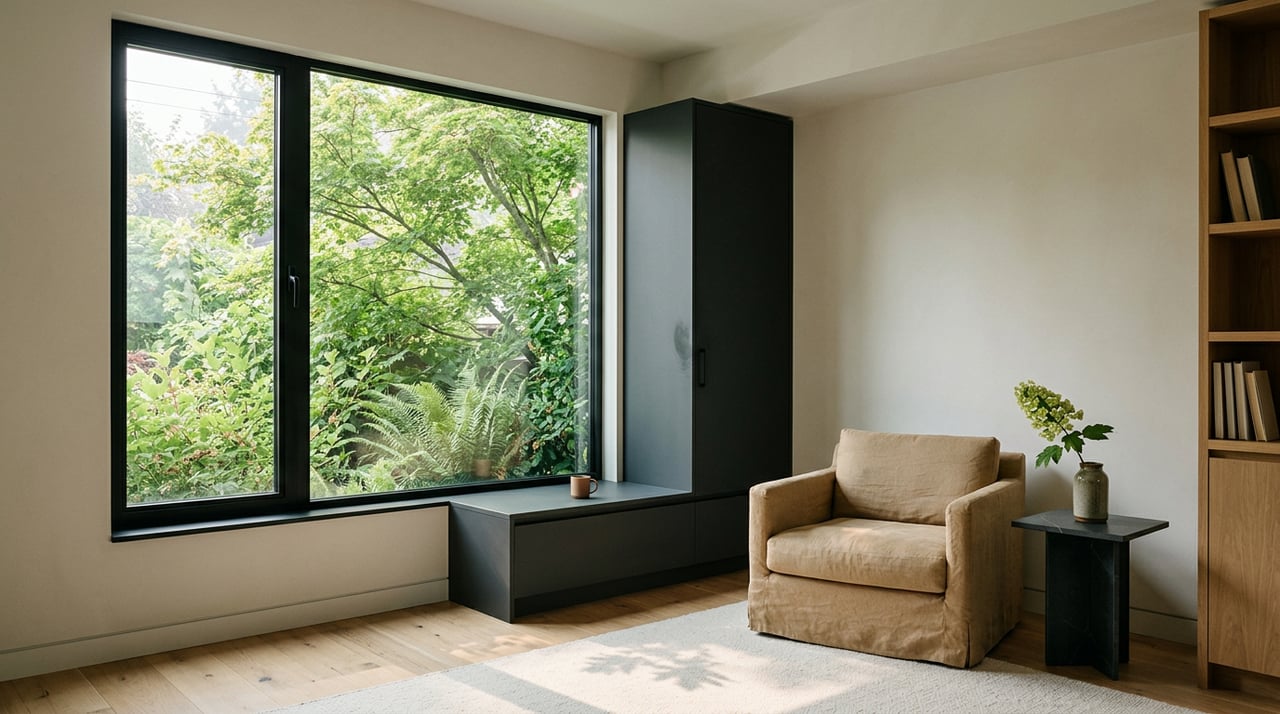
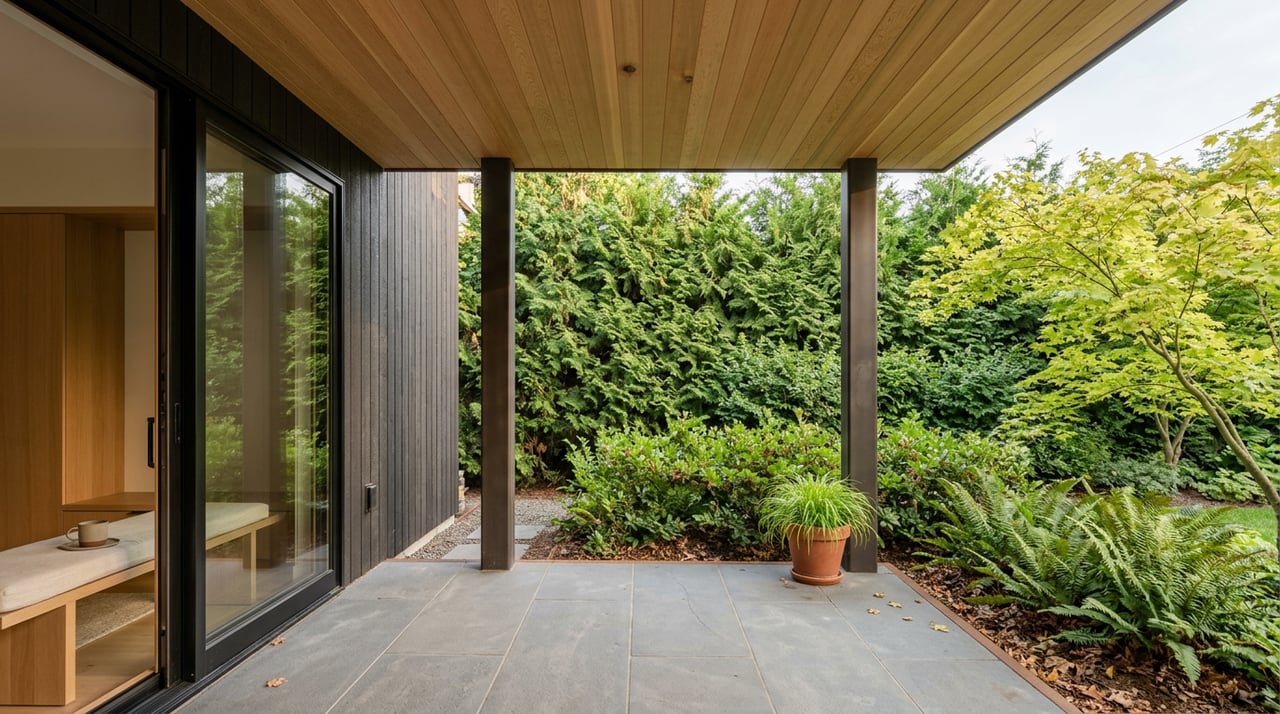
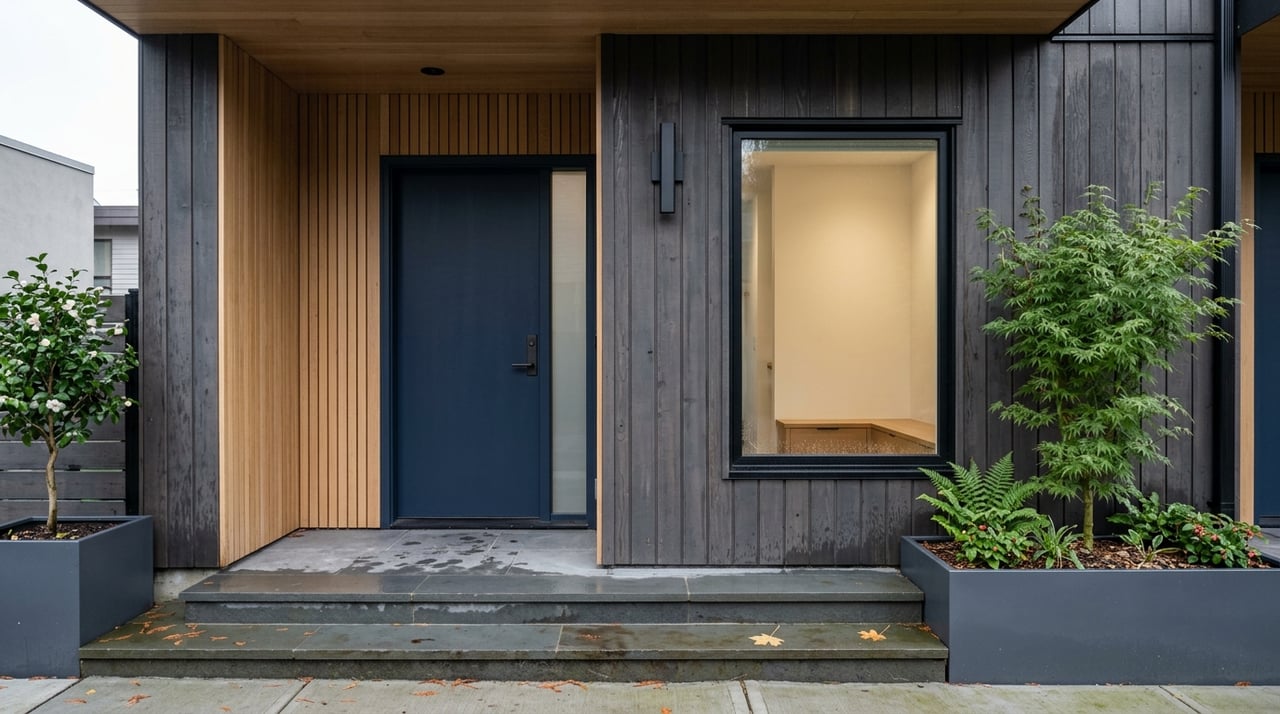
Townhomes in Capitol Hill also vary, but the typical product leans toward 2- to 3-bedroom homes with about 1,040 to 1,700 or more square feet. Many current listings include features buyers prioritize for urban living, such as private patios, secured parking, or garage space.
There are also larger attached homes above 2,000 square feet, along with a few higher-end outliers. For buyers who want more separation between living and sleeping spaces, room for guests or work-from-home setups, or a stronger sense of privacy, townhomes often rise to the top.
That said, not every townhome is the same from an ownership standpoint. In Capitol Hill, one attached home may be fee-simple with an HOA, while another may be condominium-style ownership, so the governing documents matter.
Condo vs Townhome: What Changes Day to Day
For many urban buyers, the practical differences show up in daily life. A condo may offer a lower entry price and simpler upkeep, while a townhome often gives you more space, more separation, and sometimes less shared-wall exposure.
The building type shapes the experience as much as the label. Older walk-ups, boutique buildings, newer buildings, and small-lot attached homes all create different tradeoffs around storage, noise, parking, maintenance, and how connected you feel to the street.
Here are a few questions worth asking as you compare options:
- Do you want a lower-maintenance home or more interior space?
- How important are private outdoor space and dedicated parking?
- Would you rather be near Broadway or Pike/Pine activity, or on a quieter side street?
- Do you need extra storage for bikes, gear, or seasonal items?
- Are you comfortable with more shared amenities, or do you prefer a more private setup?
How Pricing Compares in Capitol Hill
Price is often where the condo versus townhome decision becomes more clear. Current Capitol Hill condo inventory has a median listing price of about $415,000, which places it among the more accessible central Seattle condo options.
Nearby condo medians are currently about $427,000 in South Lake Union, $450,000 in Eastlake, $480,000 in Queen Anne, $529,000 in Belltown, and $560,000 in First Hill. For buyers who want strong walkability in a central location, Capitol Hill condos can represent a relatively approachable entry point.
Townhomes sit in a very different pricing band. Current Capitol Hill townhomes have a median listing price of about $999,000, with listings ranging from the high $600,000s and $800,000s into the $1 million-plus range, plus some luxury outliers above $2 million.
That puts Capitol Hill townhomes close to Queen Anne townhomes at $995,000 and slightly below Eastlake townhomes at $1.03 million. In simple terms, condos are usually the lower-cost entry to the neighborhood, while townhomes typically ask you to spend more for added space and privacy.
Why HOA Review Matters
If you are buying a condo in Washington, the resale certificate is a key part of your due diligence. State law requires disclosures about current assessments, past-due assessments, other fees, anticipated major repairs, reserve amounts, insurance coverage, litigation, and reserve-study status.
If the association does not have a current reserve study, that must be disclosed as well. Washington law also encourages reserve accounts and annual reserve-study updates for condo associations with significant assets.
For you as a buyer, that means monthly dues are only one piece of the story. A lower dues number may look attractive at first, but budget strength, reserve funding, and special-assessment risk can affect the real cost of ownership.
What to Review Before You Buy
In Capitol Hill, the right building can make urban ownership feel easy and predictable. The wrong one can create surprise costs or frustrations that were not obvious when you first toured the home.
As you review a condo or townhome with shared ownership elements, pay close attention to:
- The reserve study
- The association budget
- Insurance summary
- Current dues and any past-due assessments
- Special-assessment history
- Anticipated major repairs
- Rental rules and occupancy-related policies
- The exact ownership structure in the title and governing documents
This is especially important for townhomes, where the ownership structure may not be obvious from the listing alone. Knowing whether you are buying a fee-simple home with an HOA or a condominium-style interest can shape your responsibilities and your long-term costs.
Privacy, Noise, and Street Activity
Capitol Hill offers a wide range of micro-locations, and that can change your living experience as much as the home itself. The closer you are to Broadway or Pike/Pine, the easier it is to access nightlife, dining, and services.
The tradeoff is that you may also be buying into more street activity and a livelier environment. On the other hand, quieter tree-lined streets, east-slope pockets, and top-floor units often trade a bit of immediate convenience for more calm and less shared-wall exposure.
This is where a thoughtful home search matters. Two homes with similar price points can feel very different depending on building type, orientation, and exact location within the neighborhood.
Parking and Storage Can Change the Decision
In dense neighborhoods, practical features can have a bigger impact than buyers expect. Current Capitol Hill listings frequently highlight garage parking, secured parking, storage lockers, or a combination of those features.
If you own a car, bike regularly, or simply need extra room for gear, these details are worth treating as core decision points rather than nice extras. A home that looks perfect on paper may feel less workable day to day if storage is tight or parking is complicated.
That is one reason it helps to compare total livability, not just square footage or list price. In an urban neighborhood, convenience inside the building can matter as much as convenience outside your front door.
Who Capitol Hill Fits Best
Capitol Hill is often a strong match if you want a walkable, connected lifestyle with quick access to parks, restaurants, transit, and cultural amenities. It can work well for first-time buyers, move-up buyers, and anyone who wants an in-city home with a distinct neighborhood identity.
Condos often make sense if you want a lower purchase price and a simpler path into the neighborhood. Townhomes often fit buyers who are ready for more space, a more house-like layout, or a stronger sense of separation while staying in an urban setting.
The key is to match the product to your actual lifestyle. In Capitol Hill, the smartest purchase is rarely just about home type. It is about location, building structure, costs, and how you want to live every day.
If you are weighing Capitol Hill condos against townhomes, a strategic comparison can save you time and help you focus on the options that truly fit. Kyle Mumma can help you sort through pricing, ownership structure, building details, and neighborhood tradeoffs so you can buy with more clarity and confidence.
FAQs
What makes Capitol Hill appealing for condo and townhome buyers?
- Capitol Hill offers strong walkability, transit access, parks, retail corridors, arts and cultural destinations, and a close-in Seattle location that supports an urban lifestyle.
What is the typical price difference between Capitol Hill condos and townhomes?
- Current median listing prices are about $415,000 for condos and about $999,000 for townhomes, so townhomes usually require a much higher budget.
What types of condos are common in Capitol Hill?
- Buyers can find older walk-ups, boutique buildings, newer amenity-rich buildings, smaller studios and one-bedrooms, larger two-bed homes, and some condo layouts that live more like townhomes.
What should buyers review in a Capitol Hill HOA packet?
- Key items include the reserve study, budget, insurance summary, current assessments, anticipated major repairs, special-assessment history, rental rules, and the association’s overall financial position.
What ownership issue matters most with Capitol Hill townhomes?
- Buyers should confirm whether the townhome is fee-simple with an HOA or condominium-style ownership, because the ownership structure affects documents, responsibilities, and costs.
How do buyers think about noise and privacy in Capitol Hill?
- Homes closer to Broadway or Pike/Pine often offer easier access to dining and nightlife, while quieter side streets, east-slope locations, and top-floor units may offer a calmer living environment.
Why do parking and storage matter in Capitol Hill homes?
- In a dense urban neighborhood, garage parking, secured parking, and storage can have a major effect on daily convenience, especially if you own a car, bike, or need extra room for gear.