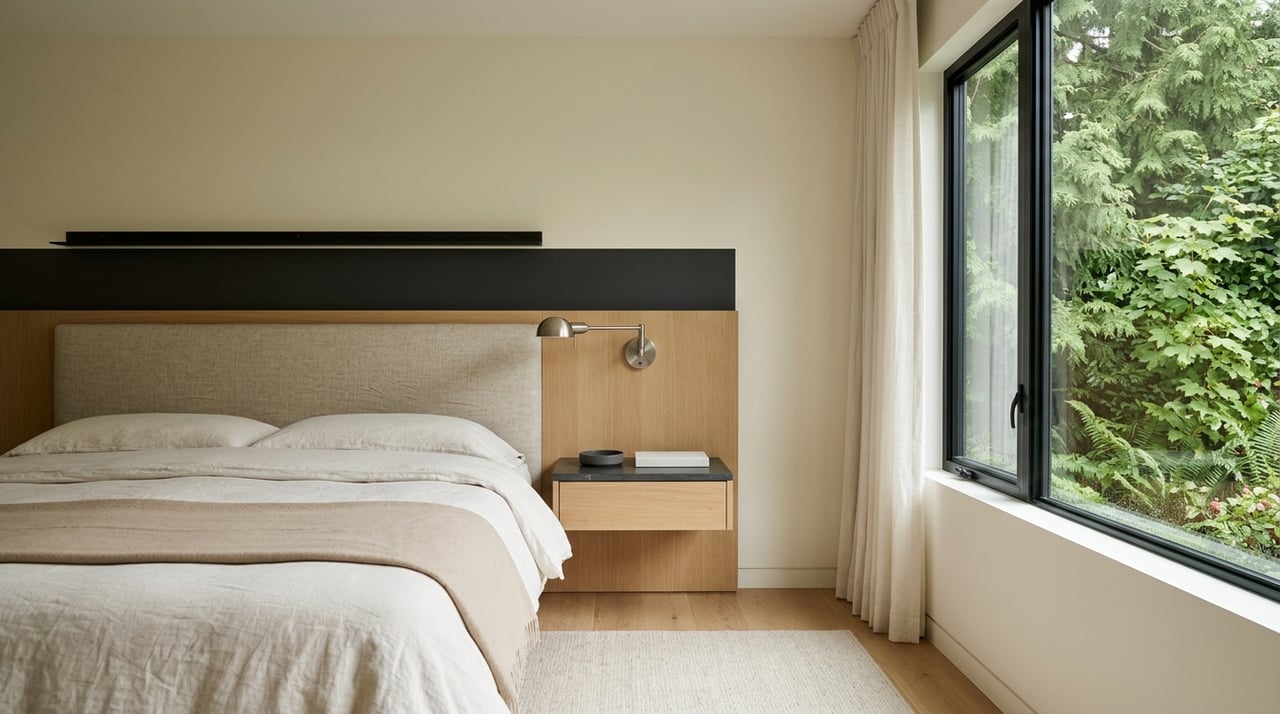
If you are preparing to sell a Washington Park estate, simply putting it on the market is rarely enough. Buyers in this part of Seattle tend to notice the full setting of a home, from mature landscaping and privacy to how the interiors connect to the grounds. When the preparation is thoughtful and the strategy is disciplined, you can protect the home’s value and present it in a way that feels intentional from day one. Let’s dive in.
Why Washington Park presentation matters
Washington Park is closely connected to the Washington Park Arboretum and Botanical Gardens, a 230-acre park identified by Seattle Parks and Recreation and co-managed with the Arboretum Foundation and the University of Washington. Seattle Parks also identifies the Seattle Japanese Garden within the Arboretum. That landscape context shapes what many buyers notice first.
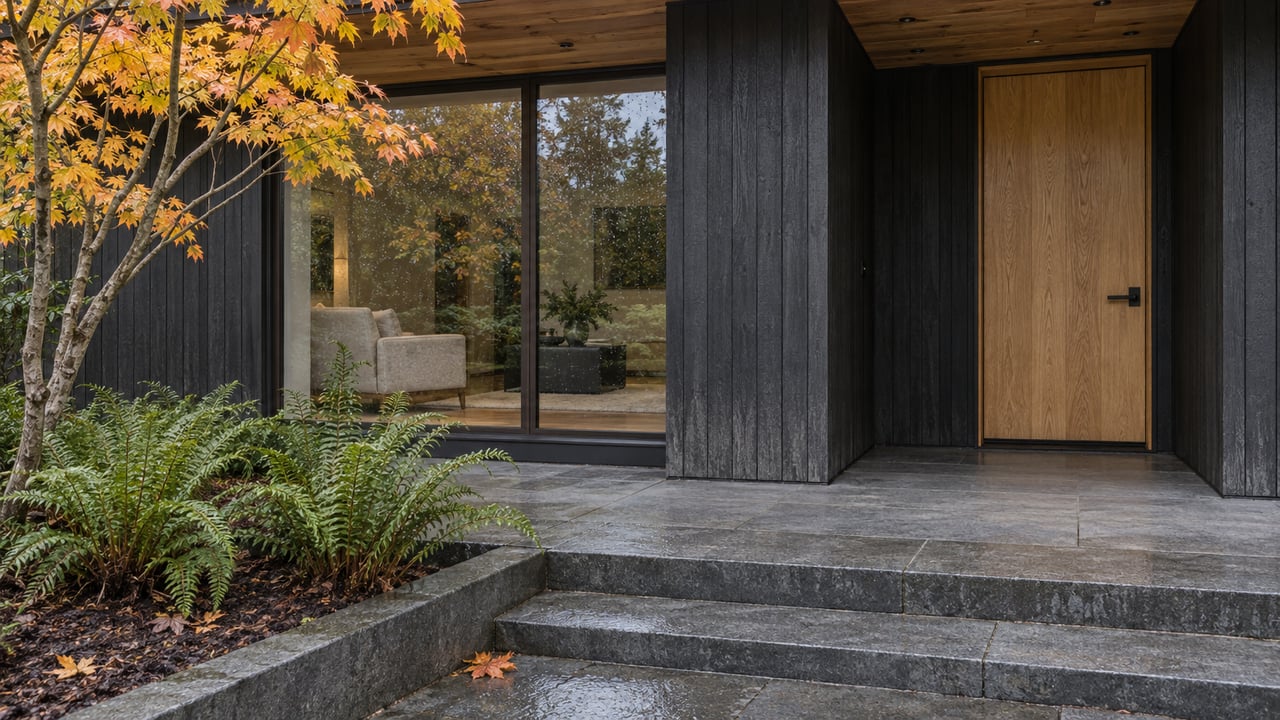
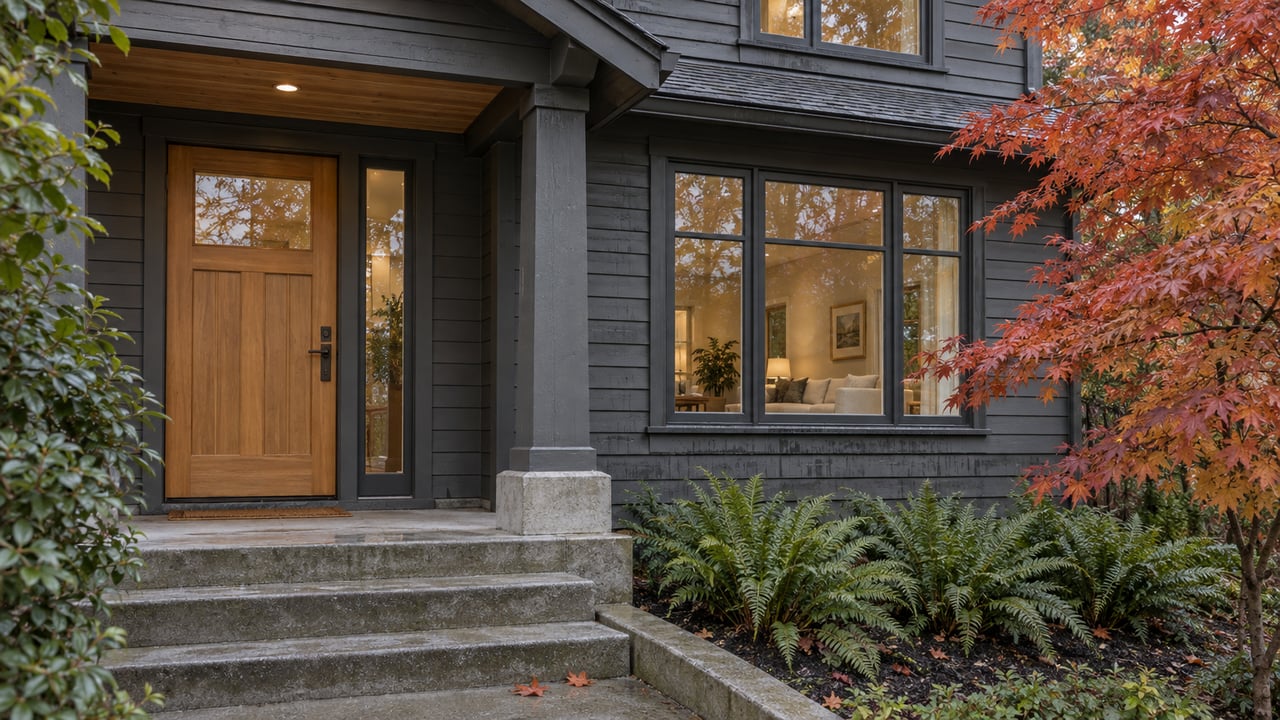
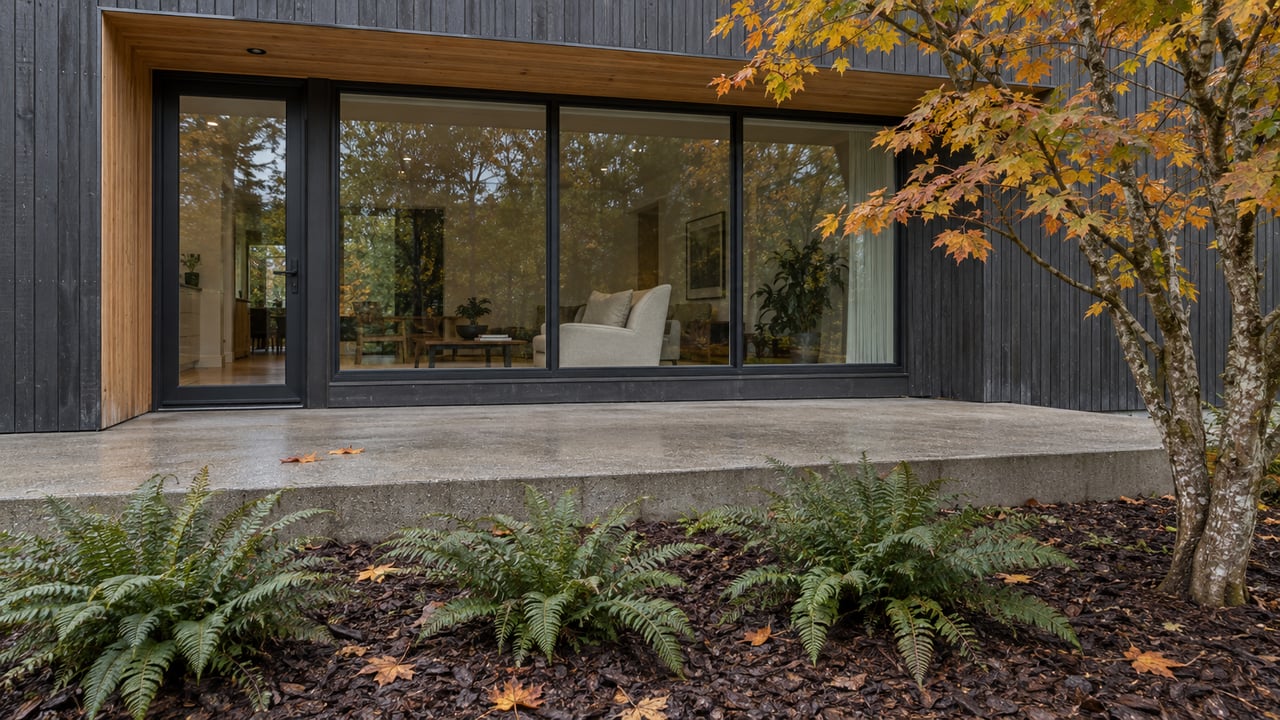
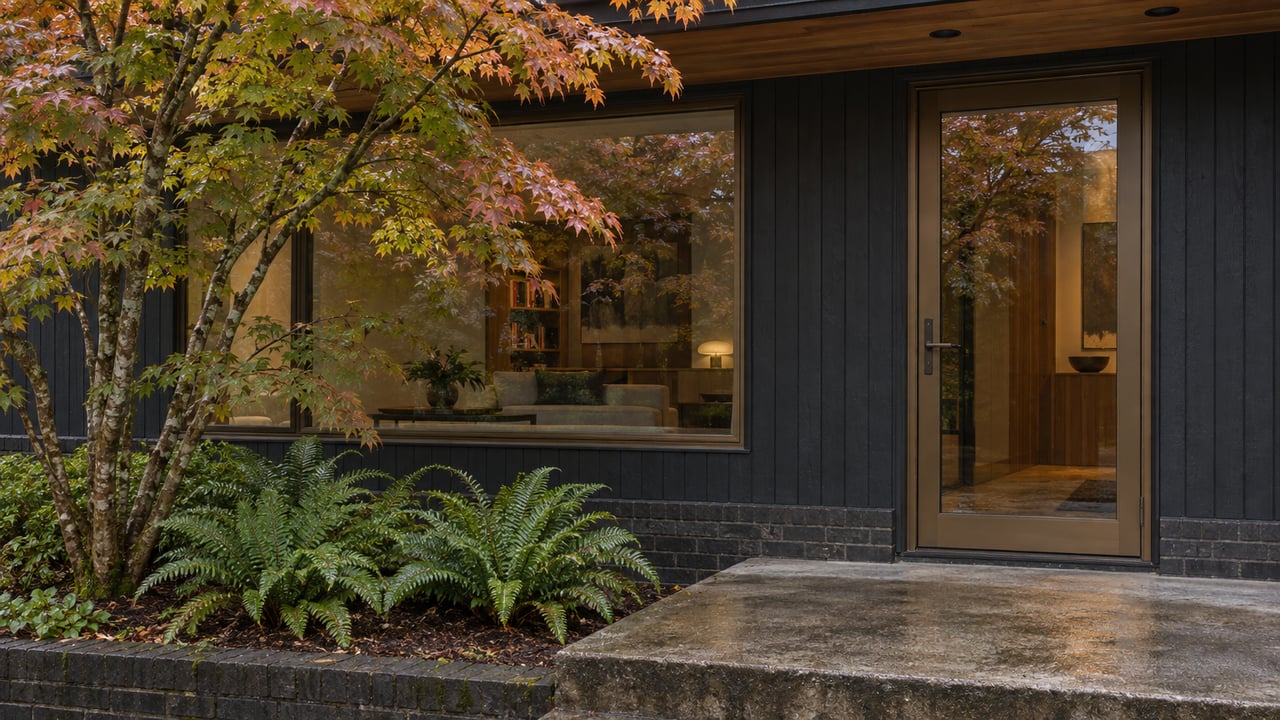
In practical terms, buyers may pay close attention to exterior presentation, mature gardens, hardscape, and sightlines just as much as they do kitchens, baths, and square footage. For an estate property, the outdoor experience often feels like part of the home itself. That means your preparation plan should treat privacy, grounds, and curb appeal as core assets, not side notes.
Start with pricing discipline
Even in an active market, strong results usually come from strategy, not momentum alone. NWMLS reported 21,381 active listings across its service area in May 2026, up 16.8% year over year, with 3.44 months of inventory. The same report showed King County’s median sales price at $875,000.
Redfin’s Seattle data for May 2026 placed the city’s median sale price at $879,474, with homes selling in about 10 days and receiving an average of 3 offers. The big takeaway is that the market remains active, but it is less constrained than in the tightest recent years. For a Washington Park estate, that makes careful pricing especially important.
Price against today’s competition
It can be tempting to anchor to a past peak or to the strongest sale you remember from a more seller-favored period. In this market, that approach can work against you. A well-positioned estate should be calibrated against the best comparable homes and the current competitive set.
That is where a measured, data-backed strategy matters. Pricing with intention can create stronger early interest, better showing activity, and more confidence from serious buyers. Overpricing, by contrast, can dull momentum at the exact moment your listing should feel freshest.
Build a smart prep timeline
For many Washington Park properties, the best listing launches are not rushed. Seattle’s permit guidance states that most projects require a permit, remodels and additions need a construction permit, and even work that does not require a permit still must meet code. If your home has larger grounds, mature trees, or exterior work under consideration, timing matters.
Seattle also regulates tree removal under SMC 25.11 and advises owners with large trees or construction plans to contact Seattle Department of Construction and Inspections early. Initial review for tree removal is typically targeted within two weeks, though final timing depends on complexity and any corrections. If the home is a designated landmark or located in a Seattle historic district, a Certificate of Approval is required before exterior changes begin, even when an SDCI permit is not required.
A practical 6 to 12 month sequence
A thoughtful seller timeline often works best in this order:
- Broker strategy session
- Architect or contractor walkthrough for highest-impact fixes
- Permit-sensitive work
- Cosmetic updates
- Staging and listing media
- Market launch
This sequence helps you avoid spending money in the wrong places or discovering permit delays too late. It also gives you time to focus on the updates buyers will actually notice.
Focus on the highest-impact improvements
Not every project adds equal value to a sale. In Washington Park, where the setting matters so much, sellers often benefit from prioritizing the details that improve the home’s overall experience. That can include landscape editing, privacy screening, exterior maintenance, paint touch-ups, lighting, and refined finish work indoors.
The goal is not to overbuild or personalize further. The goal is to present a home that feels well cared for, coherent, and ready for the next owner. In many cases, a selective approach delivers a cleaner return than taking on a long list of major projects.
Think beyond the front door
For estate-style homes, buyers may form opinions before they even enter the main living spaces. They may notice driveway arrival, garden structure, outdoor entertaining areas, and how the property is screened from the street or neighboring lots. A white-glove listing strategy should account for that full experience.
This is one place where design-forward preparation can make a measurable difference in perception. When the grounds and interiors feel aligned, the home tells a stronger story. That story often supports pricing, buyer confidence, and negotiation strength.
Use staging with intention
Staging is not just about filling rooms with furniture. It is about helping buyers understand scale, flow, and lifestyle. According to the 2025 staging profile from NAR, 83% of buyers’ agents said staging made it easier for buyers to visualize a home as their future home.
The same report found that the rooms buyers most often wanted staged were the living room at 37%, the primary bedroom at 34%, and the kitchen at 23%. Sellers’ agents most often staged the living room at 91%, the primary bedroom at 83%, and the dining room at 69%. The median spend on a staging service was $1,500.
Prioritize the rooms that carry the story
For a Washington Park estate, the most important rooms are often the ones that connect to views, gardens, and everyday gathering. That usually means the living room, primary suite, kitchen, and dining areas deserve special attention. The right staging plan should support the architecture and setting rather than compete with them.
It is also worth noting that many sellers’ agents choose decluttering and fixing faults instead of full staging. That can be a smart path when a home already has strong bones and only needs editing. What matters most is that the home photographs well and feels clear, calm, and proportional in person.
Invest in listing media carefully
NAR also found that photos, video, and virtual tours remain important parts of the listing package. For a high-value property, these materials are often the first showing. Buyers may decide whether to book a visit based on how well the home’s character, scale, and setting come across online.
That is why media should be treated as part of the launch strategy, not an afterthought. Strong visuals can highlight architecture, natural light, and indoor-outdoor flow. In a neighborhood like Washington Park, they should also capture the relationship between the home and its landscape.
Balance privacy and exposure
Many estate sellers care deeply about discretion, and NWMLS gives sellers meaningful control over market exposure. Sellers can select the list date, decide whether to use a For Sale sign, limit photos to a single image, withhold the address and map location from public websites, opt out of internet advertising, omit the seller’s name or phone number, and set strict showing rules such as appointment-only access, limited hours, broker presence, or pre-approval requirements.
Those options can be valuable, especially when privacy is a priority. At the same time, NWMLS states that its open marketplace is designed to maximize sale price and terms. It also warns that private, exclusionary listings can reduce buyer access and likely lower the purchase price.
Choose privacy tools thoughtfully
This does not have to be an all-or-nothing decision. You can often create a plan that respects privacy while still preserving broad enough exposure to support a strong outcome. The right balance depends on your goals, timeline, and comfort level.
For many Washington Park sellers, the best answer is controlled access rather than minimal exposure. That can mean strict showing requirements, a deliberate list date, and a polished launch that invites qualified buyers without making the process feel overly public.
Prepare disclosures early
Washington seller disclosure rules are important to address well before launch. Under Washington law, improved residential real property generally requires a completed seller disclosure statement unless waived or exempt. The form is based on your actual knowledge.
Delivery is generally due within five business days after mutual acceptance. After delivery, the buyer generally has three business days to rescind. The seller must also amend the disclosure if an adverse change becomes known before closing.
Estate properties can carry added details
The disclosure form asks about items that can be especially relevant to estate-style lots, including encroachments, boundary disputes, private roads, easements, shared maintenance agreements, surveys, and site-access issues. These are not the kinds of details you want to sort through after a buyer is already under contract.
If your property has older systems or unique site features, start reviewing records early. Washington law also requires a seller to make notice available to the buyer about possible no-cost insurance if the home has an oil tank for heating. Small transaction details like this can become important quickly.
Model closing costs before offers arrive
A high-value sale deserves early financial planning. King County states that real estate excise tax, or REET, is due before recording and is typically paid by the seller. The Washington Department of Revenue says the state portion of REET is graduated, ranging from 1.10% up to $525,000 to 3% above $3,025,000, plus any local REET that applies.
For a Washington Park estate, that means your net sheet should not be an afterthought. Closing-cost modeling can shape your pricing decisions, improvement budget, and negotiation strategy. It is much easier to make confident choices when you understand your likely bottom line from the start.
Selling with intention means selling strategically
The best Washington Park sales tend to feel seamless to buyers, but that usually comes from careful planning behind the scenes. Pricing needs to reflect the current market, preparation needs to respect Seattle’s timelines and rules, and marketing needs to capture both the home and its setting. When those pieces work together, your listing is positioned to stand out for the right reasons.
If you are considering a sale, it helps to start earlier than you think you need to. A design-aware, contract-savvy plan can reduce stress, protect your time, and help you make decisions with more clarity. If you want a thoughtful strategy for your next move, connect with Kyle Mumma.
FAQs
What matters most when selling a Washington Park estate?
- Buyers often notice the full property experience, including landscaping, privacy, hardscape, sightlines, and how the house connects to the grounds, not just the interior rooms.
How should you price a Washington Park home in the current Seattle market?
- Pricing should be based on the best recent comparable homes and the current competition, especially since inventory across the NWMLS service area was up year over year in May 2026.
How early should you start preparing a Washington Park estate for sale?
- A practical timeline is often 6 to 12 months, especially if the property may need permit-sensitive work, tree review, exterior changes, or significant preparation before staging.
What Seattle permit issues should Washington Park sellers watch for?
- Seattle states that most projects require a permit, tree removal is regulated, and landmark or historic district properties may need a Certificate of Approval before exterior changes begin.
Can you sell a Washington Park home with more privacy?
- Yes. NWMLS allows sellers to control items like sign use, public photos, address display, internet advertising, and showing rules, though reduced exposure may affect price and buyer access.
What disclosures are important for a Washington Park estate sale?
- Washington sellers generally need a disclosure statement based on actual knowledge, and estate-style lots may require attention to easements, surveys, access issues, boundary questions, and similar site details.