Curious whether Stevens is the right place to focus your Seattle home search? If you are looking at Capitol Hill and nearby areas, Stevens stands out as a small, character-rich pocket with a fast-moving market and a wide range of home styles. This snapshot will help you understand how Stevens fits into the broader Seattle picture, what the numbers suggest, and how to shop smart in a neighborhood where details matter. Let’s dive in.
Stevens at a Glance
Stevens is best understood as a small micro-neighborhood within Capitol Hill, not a large stand-alone district with rigid official borders. Seattle’s own neighborhood references note that these boundary labels are used more for indexing than as exact official maps.
In practical terms, that means your search may feel a little fluid. If you are drawn to Stevens, it also makes sense to keep nearby Capitol Hill and Madison Valley listings on your radar, especially when you want a similar feel or housing type.
What Gives Stevens Its Appeal
Stevens takes its name from Isaac Stevens Primary School at 17th Avenue and Galer Street. Historical accounts describe it as both grand and intimate, which is a useful way to think about the area if you are house hunting.
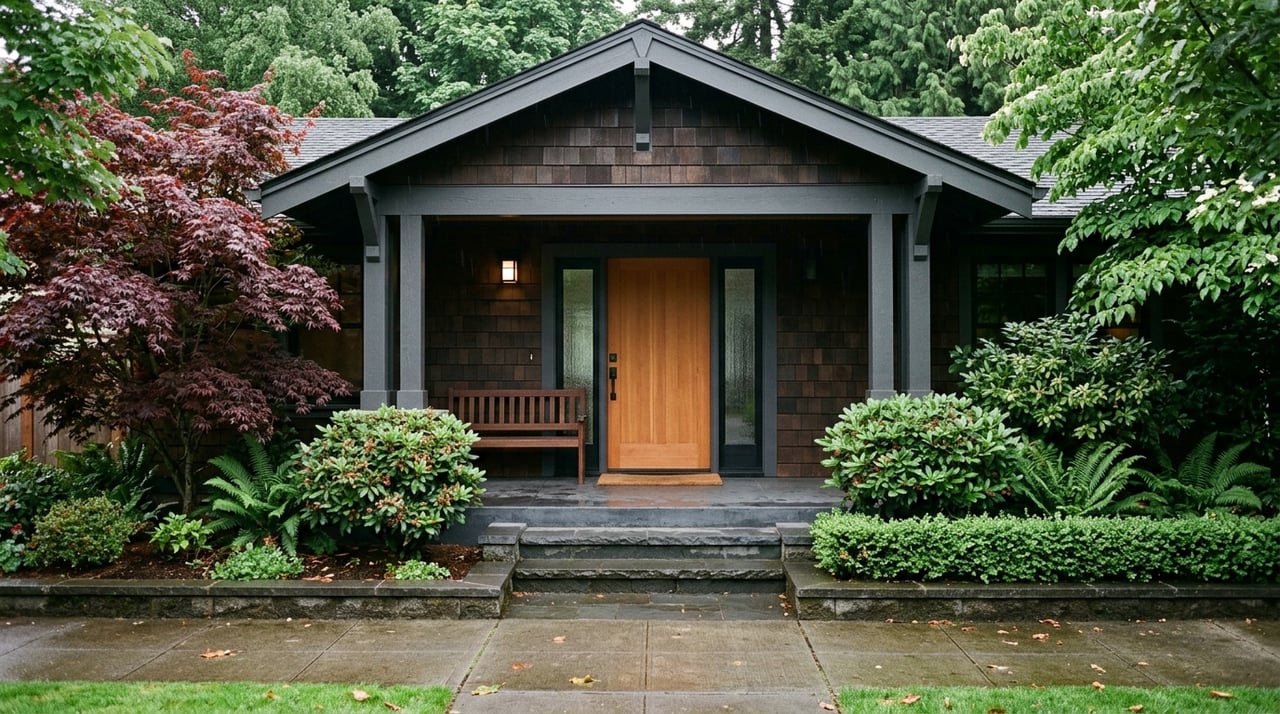
The neighborhood developed during the streetcar era, and that history still shows up in the housing stock. Instead of one uniform look, you will find a mix of Classic Box homes, English Tudor examples, larger houses, and apartment houses, often with overlapping styles on the same stretch.
Why Housing Types Matter Here
In Stevens, you are not shopping in a one-note market. You may see a classic Craftsman, a townhouse, and a condo all competing for attention at the same time.
That mixed inventory affects how you compare homes. In this neighborhood, the most useful comps are often homes on the same block, from a similar era, with a similar level of updates, rather than properties that only share the Stevens label.
Stevens Price Range for Buyers
One of the clearest takeaways for home shoppers is that Stevens is not a one-price-tier neighborhood. Recent sales cited in the market data included homes around $1.09 million, $1.61 million, $1.98 million, and $3.85 million.
That spread tells you two things. First, your options may vary widely depending on property type, size, condition, and renovation quality. Second, you will want to define early whether you are targeting a condo, townhouse, smaller detached home, or larger legacy property so your search stays realistic and focused.
Stevens Market Snapshot
Over the three months ending in May 2026, Stevens posted a median sale price of $1.30 million, 10 days on market, and 53 homes sold. Redfin’s market snapshot also describes the area as very competitive, with homes selling in about 12 days and many receiving multiple offers.
Stevens had 37 active listings in the live snapshot referenced in the research. For buyers, that means there is some selection, but not a deep inventory pool.
How Stevens Compares Nearby
Looking at nearby comparison areas adds helpful context. Capitol Hill showed 124 active listings, a median sale price of $964,676, 21 days on market, and 92 homes sold over the same period.
Madison Valley showed 15 active listings, a median sale price of $1,015,908, 7 days on market, and 19 homes sold. Like Stevens, both comparison neighborhoods were classified as very competitive.
Here is the practical read:
| Neighborhood | Active Listings | Median Sale Price | Days on Market | Homes Sold |
|---|---|---|---|---|
| Stevens | 37 | $1.30M | 10 | 53 |
| Capitol Hill | 124 | $964,676 | 21 | 92 |
| Madison Valley | 15 | $1,015,908 | 7 | 19 |
Stevens sits above both comparison neighborhoods on median price. It also lands in the middle on inventory, with fewer choices than Capitol Hill but more than Madison Valley.
What Competition Looks Like
The pace in Stevens is strong, but it is not identical for every listing. The neighborhood’s sale-to-list ratio was 99.5%, with 19.6% of homes selling above list price and 23.4% showing price drops.
That combination suggests a market that rewards the right home at the right price. Well-presented properties can still move quickly and attract strong interest, while listings that miss the mark on pricing or presentation may sit longer and need adjustment.
What Buyers Should Watch Closely
Because Stevens is older and architecturally mixed, condition matters a lot. Original details can be a real draw, but they should be weighed alongside system age, maintenance history, and the quality of any remodel work.
When you tour homes here, pay close attention to the things you cannot easily change later. Layout, lot size, natural light, renovation consistency, and overall upkeep may affect value just as much as square footage or style.
Shop Stevens Block by Block
Stevens is one of those neighborhoods where broad averages only tell part of the story. A home’s exact block, era, and improvement level can shape both value and buyer demand.
That is why a block-by-block approach matters. Two homes with the same bedroom count may perform very differently if one is thoughtfully updated and the other needs major system work or cosmetic improvement.
A Smart Strategy for Stevens Buyers
If you want to compete well in Stevens, preparation matters. You do not need to rush every decision, but you do need to be ready when the right listing appears.
A smart approach often includes:
- Narrowing your target property type early
- Watching nearby Capitol Hill and Madison Valley listings for overlap
- Evaluating comparable sales by block, era, and remodel quality
- Reviewing inspection-related concerns carefully in older homes
- Staying alert for polished listings that may attract multiple offers
- Not overlooking stale listings that may offer room for negotiation
The Two-Speed Pattern to Expect
The market data points to a useful pattern for buyers. Some homes are likely to draw fast attention and sell near list price, while others may linger if they are overpriced or less polished.
This is not a formal rule, but it is a helpful expectation. If a home is move-in ready and presented well, you may need to move decisively. If a listing has been sitting, there may be more space to ask questions, compare tradeoffs, and negotiate thoughtfully.
Why Guidance Matters in Stevens
In a neighborhood like Stevens, numbers alone are not enough. You are often weighing architecture, updates, condition, and micro-location all at once.
That is where a clear strategy can make a real difference. For buyers who value thoughtful analysis and calm decision-making, it helps to have guidance that looks beyond headline pricing and into how a specific home fits your goals.
If you are considering Stevens, the best next step is often a focused search plan that reflects how this micro-market actually behaves. When you want a strategic, design-aware perspective on buying in Seattle, Kyle Mumma can help you evaluate the right opportunities with clarity and confidence.
FAQs
What is the Stevens neighborhood in Seattle?
- Stevens is a small Capitol Hill micro-neighborhood, commonly understood as the pocket around Isaac Stevens Primary School rather than a large district with precise official boundaries.
How competitive is the Stevens housing market for buyers?
- Stevens is considered a very competitive market, with a median of 10 days on market over the three months ending May 2026 and many homes selling in about 12 days.
What is the median home price in Stevens?
- Over the three months ending May 2026, the median sale price in Stevens was $1.30 million.
What kinds of homes can you find in Stevens Seattle?
- Stevens has a mix of housing types, including older detached homes, Classic Box homes, English Tudor examples, apartment houses, townhouses, condos, and other overlapping residential styles.
Should you search only Stevens when buying near Capitol Hill?
- No. Because Stevens is a small micro-neighborhood with less precise boundaries, it is wise to keep adjacent Capitol Hill and Madison Valley searches open when looking for similar homes.
What should buyers inspect carefully in older Stevens homes?
- Buyers should pay close attention to system age, inspection findings, remodel quality, and the overall condition of older homes, since original character and updates can vary widely from property to property.