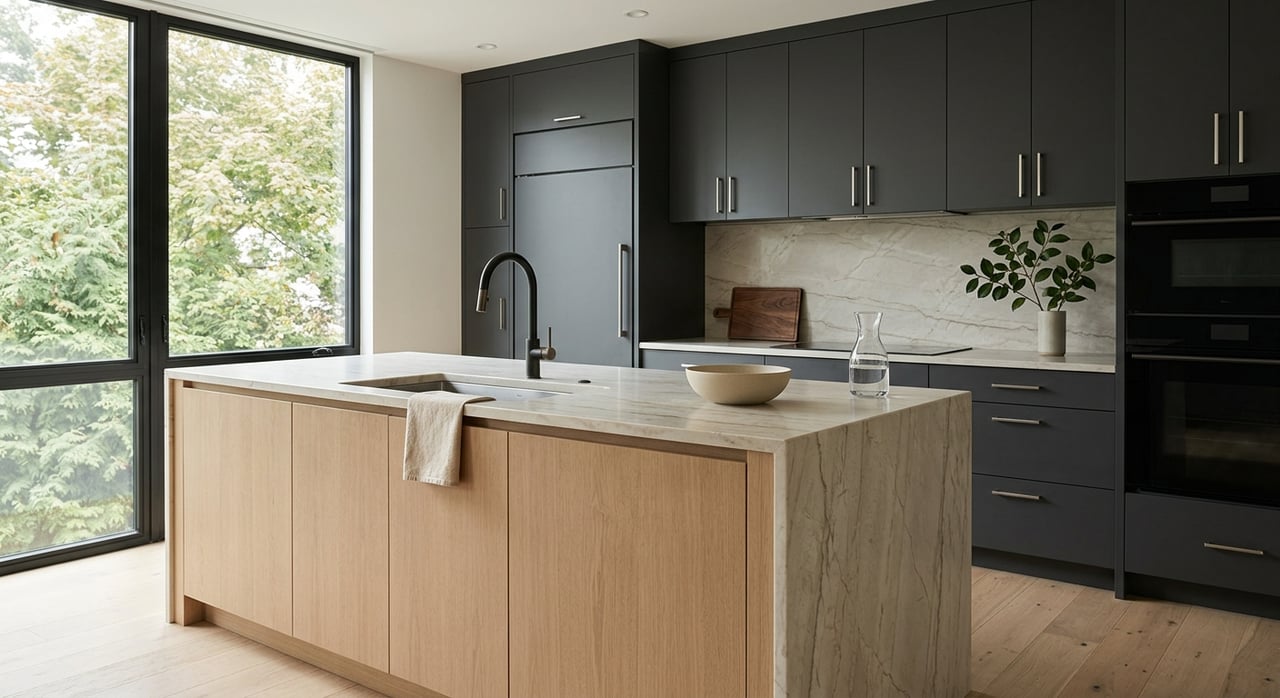
If you want a standout result in Laurelhurst, listing your home is only part of the job. In a neighborhood where mid-century homes, traditional properties, view homes, and waterfront residences can all compete for attention, buyers notice condition, presentation, and architectural fit right away. This guide will help you focus on the updates, staging choices, and prep steps that can support a top-tier sale in Laurelhurst. Let’s dive in.
Why Laurelhurst prep matters
Laurelhurst is not a one-note market. King County’s area profile describes it as an older, established neighborhood with about 1,686 parcels, roughly 125 waterfront sites, and about 30% of the population enjoying some Lake Washington view.
That mix shapes how buyers compare homes. A well-kept mid-century property may compete with a more recently updated traditional home, while a view or waterfront setting can raise expectations for both condition and presentation. In March 2026, Redfin reported a median sale price of $2.675 million in Laurelhurst, a median of 7 days on market, and a 101.1% sale-to-list ratio.
That pace can sound forgiving, but it does not mean buyers overlook flaws. The current market still rewards homes that feel intentional, well maintained, and clearly ready for the next owner.
Start with repairs first
Before you think about paint colors, furniture placement, or listing photos, start with condition. Buyers are less willing to compromise on obvious defects than they were a few years ago, which means unresolved issues can shape both perceived value and negotiating leverage.
The smartest prep plan usually follows a simple order. Handle safety and moisture concerns first, then improve curb appeal and the entry experience, then make selective cosmetic updates, and only after that consider larger remodels if they are likely to be rewarded by the market.
Prioritize defects buyers will notice
Visible deferred maintenance tends to create outsized concern. Even when a problem is manageable, buyers may assume there are deeper issues if they see worn roofing, damaged trim, water staining, or aging finishes in high-traffic areas.
NAR’s 2025 Remodeling Impact Report found that 46% of buyers are less willing to compromise on the condition of a home. The same report shows that REALTORS most often recommend painting the entire home, painting one room, and new roofing before selling.
Focus on high-return updates
Not every project needs to be large to matter. In fact, smaller, visible improvements often offer stronger cost recovery than more ambitious remodels.
According to NAR’s 2025 report, a new steel front door had an estimated 100% cost recovery, a closet renovation 83%, and a new fiberglass front door 80%. That makes the entry sequence especially important because it influences first impressions before a buyer even steps inside.
Think twice before over-remodeling
A large renovation may improve your enjoyment of the home, but it does not always translate into the strongest resale return. In Laurelhurst, where architecture and setting matter, the goal is usually not to erase the home’s character. It is to remove distractions, show care, and present the home in its best light.
If you are planning 6 to 18 months ahead, this is where strategy matters. A thoughtful seller-prep plan often outperforms a rushed, expensive remodel that does not match buyer expectations for the property type.
Respect Seattle permit rules
In Seattle, prep work can quickly move from cosmetic to regulated. If your sale plan includes more than surface updates, it is important to understand what may require review or permits before work begins.
The City of Seattle says most projects require a permit, and additions and remodels require a construction permit. Some roof work on detached one- and two-family homes may be done without a permit if the building envelope is not changed and the work is comparable to the existing structure.
Watch for tree, deck, and shoreline issues
This matters in Laurelhurst because many properties have mature landscaping, sloped lots, water proximity, or outdoor spaces that play a major role in value. Deck work, shoreline work within 200 feet of Seattle water bodies, and tree removal can all trigger permit or approval requirements.
Seattle also regulates many tree removals on private property, while street trees fall under separate right-of-way rules. If your property is near the shoreline or includes landscape work that affects regulated areas, it is wise to sort that out early instead of discovering an issue just before listing.
Do not change projects midstream casually
Seattle also notes that if a project changes while under construction, the owner must get Seattle Department of Construction and Inspections approval before making those changes. That makes early planning important, especially if you are trying to complete work on a listing timeline.
For sellers, the practical takeaway is simple: inspect and scope first, then confirm whether the intended work needs approval, and then move forward. That sequence can help you avoid delays that interfere with launch timing.
Match updates to the home’s architecture
Laurelhurst includes homes built from the 1900s to the present, and that variety matters. Buyers often respond best when improvements feel consistent with the style of the house rather than generic or trend-driven.
A top-tier sale usually comes from making the home feel more polished, not less authentic. That is especially true in a neighborhood where architecture, setting, and landscape are closely tied together.
Mid-century homes
For mid-century homes, preservation plus freshening is often the right approach. Clean lines, warm materials, intact built-ins, and original window rhythm can all support the home’s appeal when they are well maintained and thoughtfully presented.
That usually means avoiding staging or finishes that fight the architecture. Buyers who are drawn to this style often want clarity, warmth, and simplicity rather than visual noise.
Traditional homes
Traditional homes often benefit from attention to trim, symmetry, and exterior upkeep. If the front elevation feels balanced and well cared for, buyers are more likely to trust the rest of the home.
Inside, consistency matters. Fresh paint, cohesive hardware, and edited rooms can help traditional homes feel current without losing their original tone.
Contemporary homes
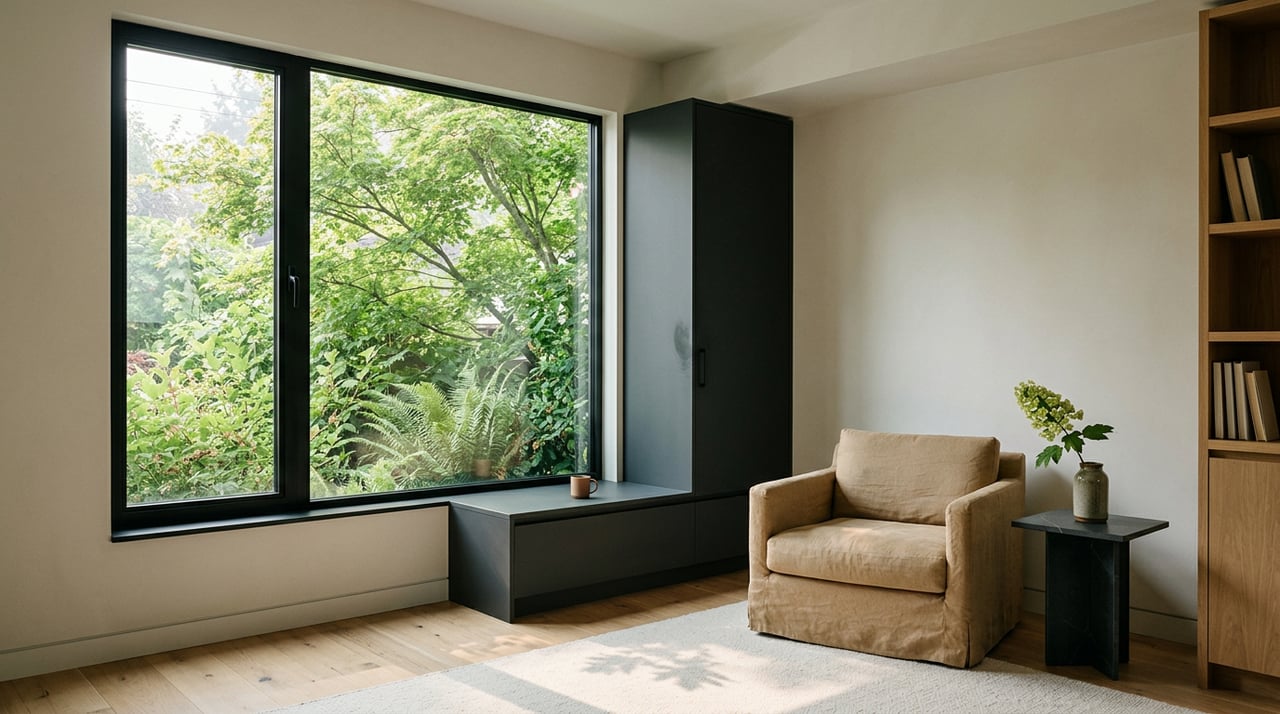
Contemporary homes typically show best with restrained color, open sightlines, and minimal clutter. The emphasis should stay on volume, light, and the relationship between interior space and the outdoors.
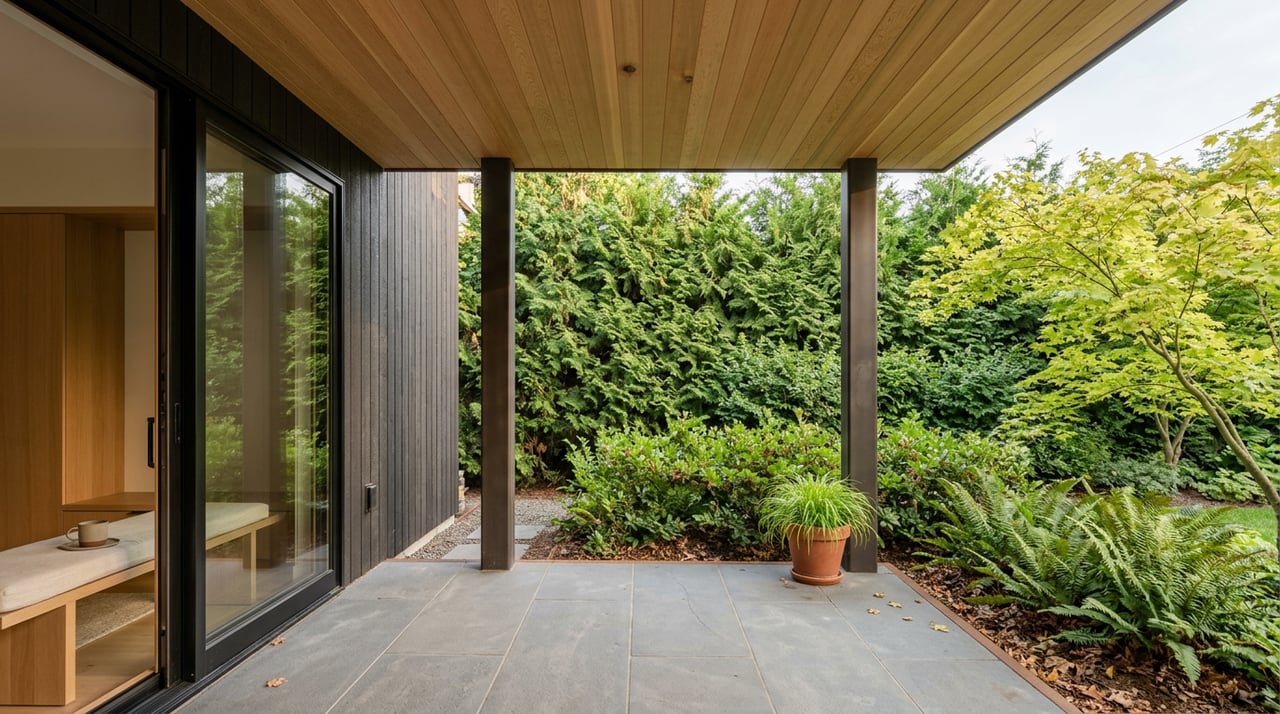
In Laurelhurst, that can be especially effective when the property has views, decks, or strong natural light. Presentation should help buyers notice those assets immediately.
Use staging to tell the right story
Staging is one of the clearest opportunities to elevate a Laurelhurst listing. It helps buyers picture how the home lives, and it can shape how spacious, bright, and valuable the property feels in person and online.
NAR’s 2025 Profile of Home Staging found that 83% of buyers’ agents said staging made it easier for buyers to visualize a property as a future home. The same report found that 29% of sellers’ agents said staging increased the dollar value offered by 1% to 10%, while 49% said it reduced time on market.
Stage the rooms that matter most
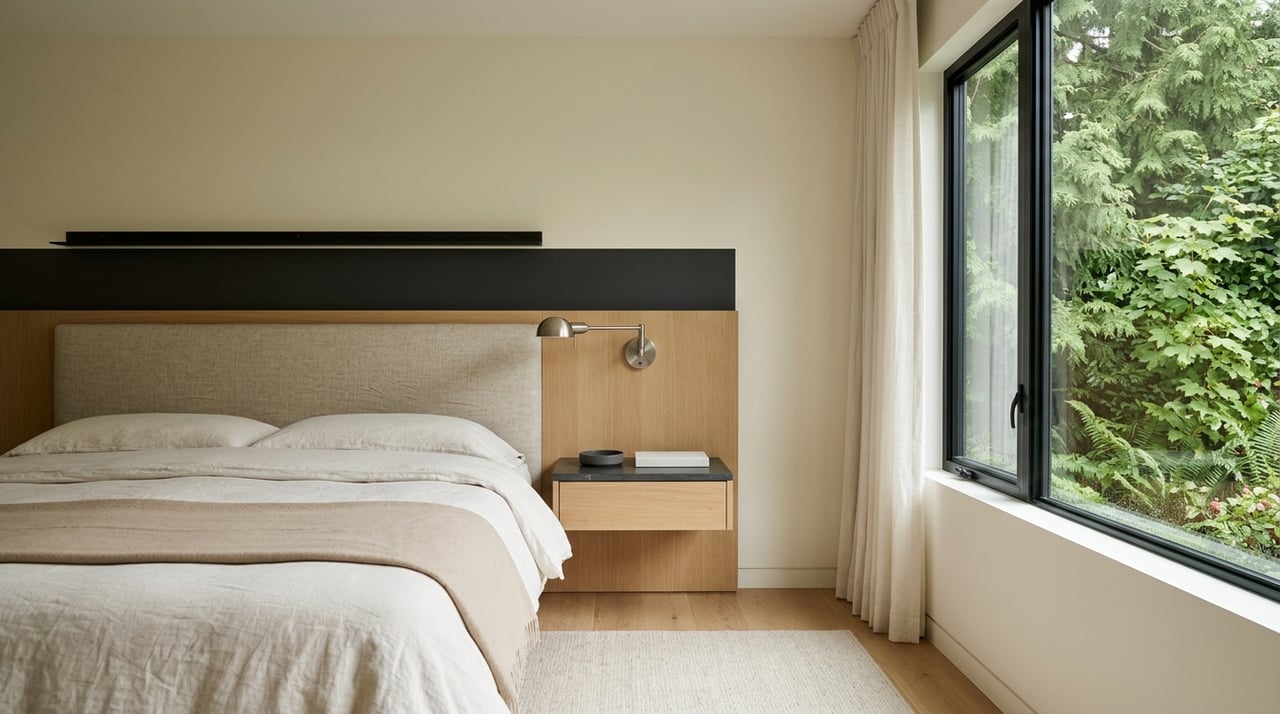
The most commonly staged rooms were the living room, primary bedroom, dining room, and kitchen. That aligns well with how many Laurelhurst buyers shop, especially when they are comparing lifestyle, entertaining space, and everyday comfort at higher price points.
Instead of trying to fill every room, focus on the spaces that frame daily life and first impressions. Well-edited staging often does more than fully furnishing every corner.
Highlight light, views, and flow
Because Laurelhurst has a strong view and waterfront identity, sightlines deserve special attention. King County’s profile notes that about 30% of the sub-area has some lake view and about 8% of parcels are waterfront.
That means staging should support natural light and indoor-outdoor flow, not compete with them. Window treatments, furniture placement, and decor should help the eye travel toward the home’s best features.
Keep the story calm and specific
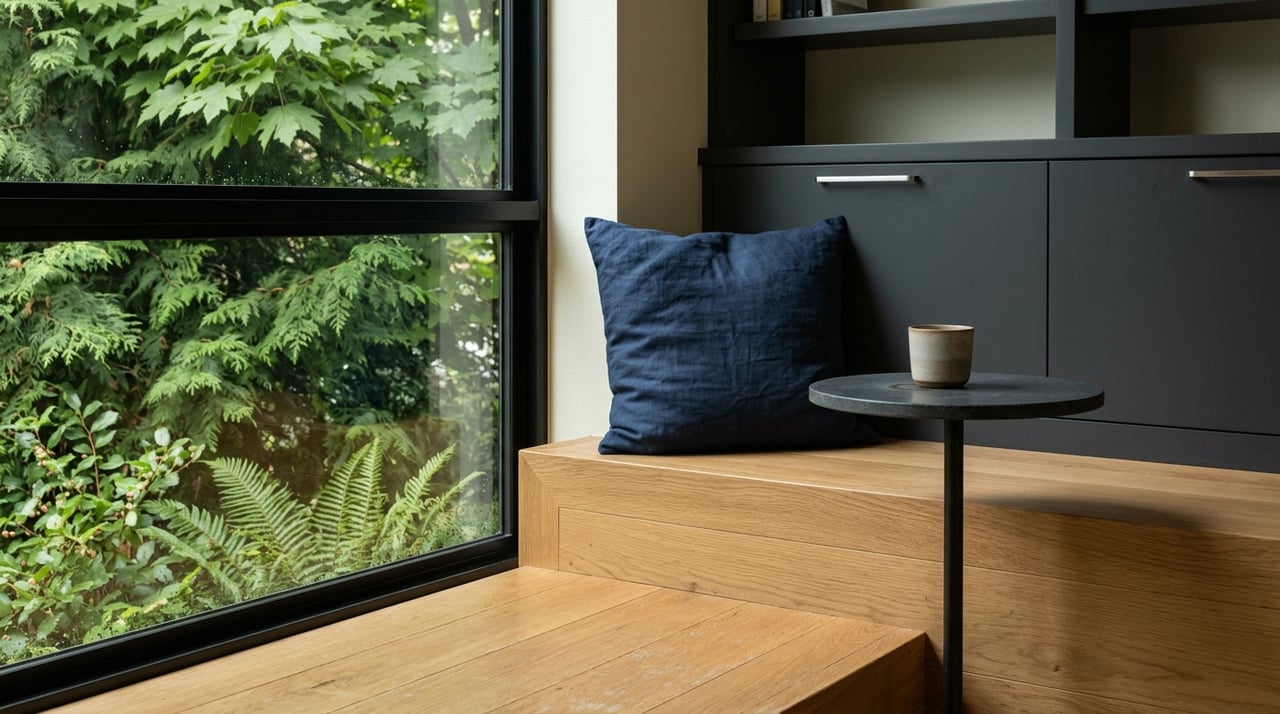
Luxury-minded buyers often respond to homes that feel composed and intentional. Clean surfaces, balanced scale, and a limited palette can make rooms feel more refined while still welcoming.
In a neighborhood like Laurelhurst, the strongest story is often not excess. It is a home that feels cared for, architecturally coherent, and easy to imagine living in.
Build a smart seller timeline
If you are planning a sale in the next 6 to 18 months, sequence matters as much as the work itself. The safest workflow is usually to inspect first, complete permit-dependent repairs next, then tackle cosmetic updates and staging, and only after that move into photography and launch.
This approach helps you make decisions in the right order. It also reduces the risk of spending money on finishes before addressing issues that could affect value, timing, or disclosure.
A practical prep sequence
Here is a simple roadmap for many Laurelhurst sellers:
- Schedule inspections or condition evaluations.
- Review any moisture, safety, roofing, or exterior concerns.
- Confirm whether planned work needs Seattle permits or approvals.
- Complete regulated or structural work first.
- Refresh paint, lighting, hardware, and other cosmetic items.
- Develop a staging plan that supports the home’s style and best features.
- Organize documents before going to market.
- Photograph and launch once the presentation is complete.
That process creates a cleaner story for buyers and a more controlled listing experience for you.
Organize disclosures early
Washington sellers benefit from getting organized before a home goes under contract. RCW 64.06.020 requires a completed seller disclosure statement for improved residential real property unless the buyer waives it or an exemption applies, and the disclosure is based on the seller’s actual knowledge.
The statute also states that delivery is generally due within 5 business days after mutual acceptance unless otherwise agreed, and the buyer generally has 3 business days to rescind after delivery. For that reason, scrambling for records late in the process can add unnecessary stress.
Gather your paperwork now
Before you list, it helps to collect:
- Permit records
- Contractor invoices
- Warranties
- Inspection reports
- Maintenance history
- Any records related to repairs or improvements
This does not just make disclosure easier. It can also help support buyer confidence by showing a clear history of care and ownership.
What top-tier preparation really means
In Laurelhurst, top-tier preparation is rarely about doing the most. It is about doing the right things in the right order.
That usually means documented condition, design choices that respect the home’s architecture, and staging that highlights light, layout, and setting. In a market where homes can move quickly but buyers still care deeply about presentation, that level of preparation can make a meaningful difference.
If you are thinking about selling in Laurelhurst and want a plan that fits your home, timing, and goals, Kyle Mumma can help you build a thoughtful strategy from prep through launch.
FAQs
What should you fix before selling a Laurelhurst home?
- Start with safety issues, moisture concerns, roofing, and other visible defects, then move to entry appeal and selective cosmetic updates.
Does staging help a Laurelhurst home sell?
- Yes. NAR’s 2025 staging data found that staging helps buyers visualize the home, can reduce time on market, and may increase the dollar value offered.
Do Seattle sellers need permits for pre-sale work?
- Often, yes. Seattle says most projects require permits, and work involving additions, remodels, decks, shoreline areas, or tree removal may need permits or approvals.
What makes Laurelhurst homes different when preparing for sale?
- Laurelhurst includes a mix of mid-century, traditional, contemporary, view, and waterfront homes, so prep should reflect the property’s architecture, setting, and buyer expectations.
When do Washington sellers provide a disclosure statement?
- Under RCW 64.06.020, the seller disclosure statement is generally due within 5 business days after mutual acceptance unless otherwise agreed, and the buyer generally has 3 business days to rescind after delivery.
How far in advance should you prepare a Laurelhurst home for sale?
- A 6- to 18-month runway can be helpful if you need inspections, permit-related work, repairs, staging, and document organization before launch.